
Defining Luxury: What Makes Something Luxurious?
The concept of luxury transcends mere definitions. It embodies a state of abundance, comfort, and often extravagance that appeals to the senses and emotions. Understanding what constitutes luxury requires a comprehensive exploration of its historical roots, psychological implications, and the differentiation between luxury and necessity.
The Historical Context of Luxury Goods
Historically, luxury has been synonymous with exclusivity and privilege. From the opulent palaces of ancient times to the lavish lifestyles of modern-day elites, luxury goods have always been markers of wealth and status. The emergence of luxury goods can be traced back to ancient civilizations, where the affluent used intricate jewelry, fine textiles, and rare artifacts to display their wealth.
During the Renaissance, luxury took a more defined shape through art and fashion. Wealthy patrons commissioned paintings and sculptures that not only showcased their taste but also their social standing. This period marked the transition of luxury from mere possession to an art form—an expression of culture and ideology.
Luxury vs. Necessity: Understanding the Difference
Defining luxury requires distinguishing it from necessity. Necessities are basic requirements for survival and well-being; think food, shelter, and healthcare. In contrast, luxury goods are items that enhance one’s lifestyle but are not essential for survival. This distinction is crucial when analyzing consumer behavior and market dynamics. Luxury items—such as designer handbags, gourmet foods, and private jets—are often sought after not for their functionality but for the emotional gratification they provide.
The Psychological Appeal of Luxury Products
Luxury products tap deeply into psychological desires. The need for social acceptance, status, and self-identity drives consumers towards luxury consumption. Owning luxury goods often provides users with not just personal satisfaction but also a perceived elevation in social standing. Research shows that luxury consumers are often motivated by the desire to signal wealth and taste to others.
Additionally, luxury brands often evoke emotions tied to nostalgia, aspiration, and exclusivity, making them even more appealing. This psychological connection manifests through branding strategies that invoke feelings and stories around their products, further deepening consumer loyalty.
Luxury Brands: Icons of Excellence in Fashion
Luxury brands are not merely sellers of expensive products; they are cultural icons that define elegance, quality, and status. Their marketing strategies, brand identity, and customer engagement techniques all contribute to their standing in the market.
Case Studies: Successful Luxury Brand Strategies
One classic example of successful luxury branding is Chanel. Founded by Coco Chanel, the brand revolutionized women’s fashion by introducing a more casual chic that defied the formal rules of the early 20th century. Chanel’s marketing strategies focus heavily on exclusivity and high-profile endorsements, reinforcing their brand status.
Another illustrative case is Rolex. The brand has maintained its luxury status and strong market position by ensuring that its products are associated with achievement and success. The brand’s meticulous attention to quality and craftsmanship further secures its luxury status, while its limited supply enhances desirability.
The Role of Designer Collaborations in Elevating Luxury
Collaborations between luxury brands and renowned designers can lead to explosive market growth and renewed interest. For example, the collaboration between H&M and haute couture designers such as Karl Lagerfeld and Versace has brought luxury fashion to the masses while benefiting the luxury brands by expanding their reach.
These strategic partnerships leverage the notoriety and creativity of both brands, resulting in buzzworthy products that generate consumer excitement and media coverage, effectively merging the worlds of high fashion and accessible luxury.
Impact of Digital Marketing in the Luxury Sector
Digital marketing has transformed how luxury brands engage with consumers. In the past, brand exposure was often limited to traditional media outlets like fashion magazines and television. Now, social media, influencer partnerships, and targeted online advertisements have become vital tools in the luxury marketing arsenal.
Luxury brands can now create engaging content that highlights their products in aspirational contexts, reaching wider audiences through personalized marketing techniques. The rise of e-commerce has also allowed luxury brands to provide customers with seamless shopping experiences, from online boutiques to immersive virtual reality showcases.
The Economic Impact of Luxury Goods on Global Markets
The luxury sector plays a significant role in the global economy, influencing various industries, labor markets, and consumer spending. It represents not only an important source of employment but also reflects economic trends and consumer confidence levels.
Consumer Behavior: Trends in Luxury Spending
As disposable incomes rise, there is an observable trend of increased spending on luxury goods. Consumers are becoming more willing to invest in luxury items that symbolize their success and provide a sense of well-being. According to various market studies, millennials and Gen Z are driving future growth in the luxury market by prioritizing experiences over material possessions, leading to a rise in luxury travel and entertainment.
Market Challenges Facing Luxury Brands Today
Despite the promising growth trends, luxury brands face numerous challenges. The increasing sales of counterfeit products threaten the integrity of luxury brands and their exclusivity. Moreover, changing consumer behaviors towards sustainability and ethical sourcing compel brands to adapt their practices or risk losing market relevance.
The Future of Luxury Goods in a Changing Economy
Looking forward, luxury brands will need to revisit their strategies to stay relevant. The future lies in embracing sustainability, innovation, and a broader understanding of consumer preferences. Transparency in production processes and ethical brand narratives will play pivotal roles in shaping consumer trust and loyalty.
Lifestyle and Luxury: Integrating Opulence into Everyday Life
Luxury is no longer confined to high-end products; it has matured into a lifestyle concept that many aspire to incorporate into their day-to-day lives. This holistic approach can manifest in home decor, fashion choices, and travel plans, influencing consumer spending habits.
Creating a Luxurious Home Environment
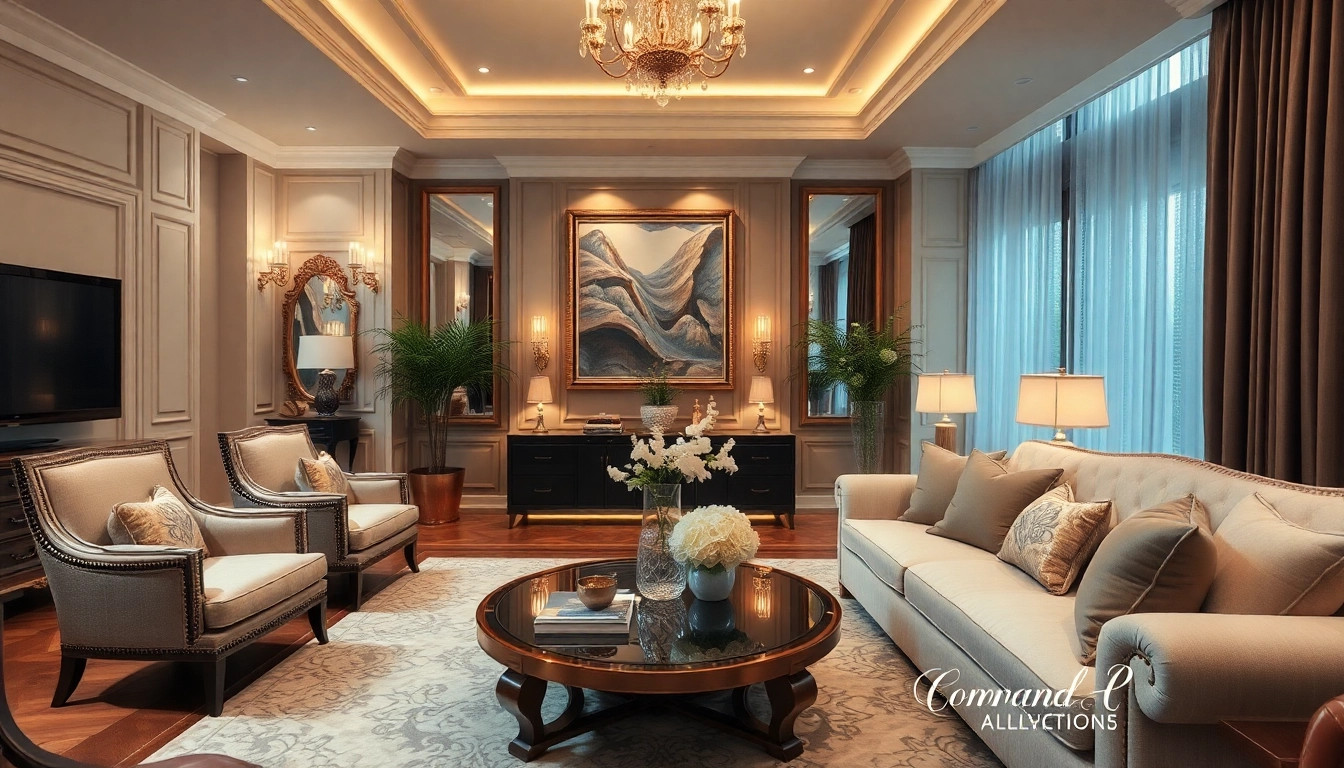
Creating a luxurious home environment involves more than just expensive furniture and decor; it is about creating an atmosphere of comfort and elegance. Opt for quality over quantity by investing in statement pieces that elevate the space, such as fine art or unique furniture. Additionally, subtle details like quality lighting, fragrance, and sound play a vital role in evoking a sense of luxury.
Luxury Travel: Destinations That Redefine Indulgence
Luxury travel is a growing sector, with affluent travelers seeking unique and bespoke experiences. Destinations such as Bali, the Maldives, and Paris offer opulent accommodations and tailored experiences that go beyond traditional tourism. Luxury travelers expect personalized services, exclusive tours, and immersive cultural experiences that cater to their unique preferences.
Luxury Experiences: Beyond Material Possessions
The modern luxury consumer increasingly values experiences over material goods. This shift has led to growth in sectors offering exclusive culinary experiences, adventure travel, and wellness retreats. Brands that can provide memorable and unique experiences will capitalize on this changing sentiment, proving that luxury is often found in shared moments rather than possessions.
Accessing Luxury: Trends in Affordable Luxury Market
The notion of luxury is gradually shifting, leading to the emergence of the affordable luxury market. Brands are redefining luxury to include more accessible options without compromising on quality.
Emergence of Mid-Tier Brands Offering Luxe Experiences
Mid-tier brands are increasingly providing luxury experiences at a fraction of the cost. These brands tap into the luxury appeal by offering quality products and creating aspirational branding without the prohibitive price tag. This strategy attracts a wider demographic, enabling more consumers to access what they perceive as luxury.
Sustainability in Luxury: A Growing Consumer Demand
Today’s consumers, especially younger generations, are placing greater emphasis on sustainable practices. Brands that promote eco-friendly production methods, fair labor practices, and biodegradable materials are gaining traction in the luxury sector. Businesses that can marry luxury with sustainability will find themselves ahead of the curve in meeting consumer demand.
How to Identify True Luxury in a Crowded Market
With numerous brands proclaiming luxury status, consumers must learn how to differentiate between true luxury and mere marketing hype. Key indicators of genuine luxury include the brand’s heritage, craftsmanship, material quality, and customer service experience. Brands that consistently deliver on these fronts tend to build deeper connections and loyalty with their customers.